- April 8, 2026
- Posted by: admin
- Category: BitCoin, Blockchain, Cryptocurrency, Investments

The post Exclusive: How the Ceasefire Is Affecting Bitcoin Price, Sentiment Shift or Short-Term Noise? appeared first on Coinpedia Fintech News
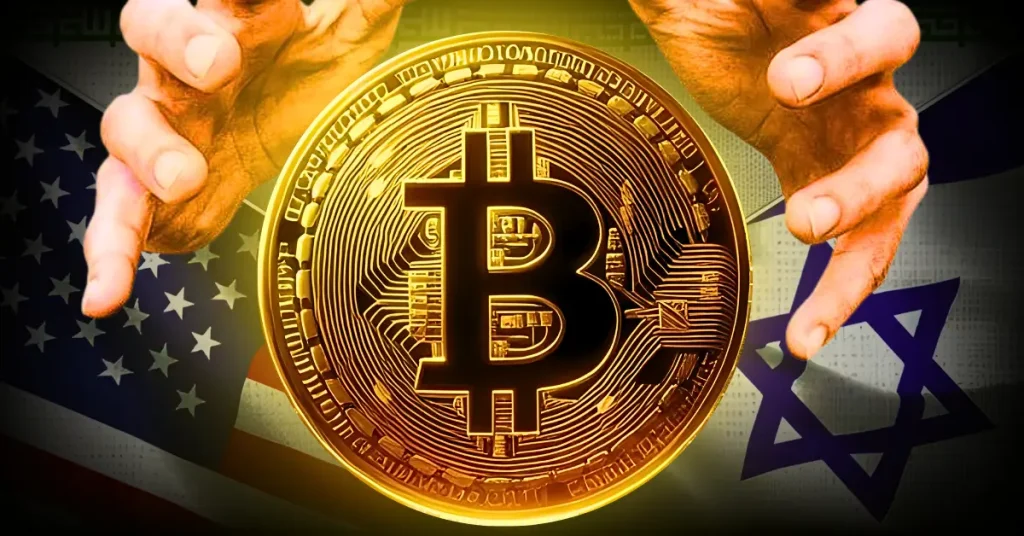
The sudden announcement of a two-week ceasefire between the United States, Israel, and Iran has offered markets a moment to exhale. But very few are convinced the crisis has truly passed.
Brokered after last-minute diplomacy involving Pakistan and mounting pressure tied to the Strait of Hormuz, the agreement pauses more than 40 days of escalating conflict. For now, ships may move again. But certainty hasn’t returned.
“This is a temporary de-escalation rather than a lasting resolution,” said crypto market analyst, CryptKeeper, to Coinpedia. “The agreement is fragile.” However, Bitcoin prices climbed back toward the $72,000 level, and altcoins have also staged a rally.
A Pause, Not a Turning Point
The ceasefire, set to last 14 days, is less a breakthrough and more a holding pattern. Talks are scheduled to begin in Islamabad on April 10.
“The U.S. and Iran are still far apart on core issues,” CryptKeeper said. “The risk of further escalation, especially if negotiations fail, remains high.”
Even more telling, Israel has made clear that its operations against Hezbollah in Lebanon will continue, underscoring how limited the scope of the truce really is.
Crypto’s New Reality: Not Just a Crisis Hedge
For crypto markets, geopolitical shocks once triggered predictable patterns: a sharp selloff followed by a recovery as investors rotated into alternative assets. But that playbook is evolving.
“Crypto is now a hybrid asset,” CryptKeeper said. “Geopolitics matters, but liquidity and institutional flows matter more.”
That shift shows a broader maturation of the market. Bitcoin and its peers are no longer isolated from macroeconomic forces. Instead, they move increasingly in tandem with traditional indicators like interest rates, equity markets, and, crucially, energy prices. In other words, war headlines alone no longer dictate direction.
Also Read: Crypto Rally Returns: Bitcoin Price Near $72K: What’s Driving the Move?
Oil, Not Missiles, May Drive the Next Move
If there is a single variable crypto investors are watching most closely, it isn’t troop movements; it’s oil. A disruption in the Strait of Hormuz could send crude prices surging, feeding inflation fears and forcing central banks to maintain tighter monetary policy. That, in turn, could drain liquidity from risk assets, including crypto.
“Short-term bearish,” CryptKeeper said, pointing to the risk of a liquidity squeeze and renewed rate pressures. “But the long-term impact depends on whether oil peaks quickly or triggers stagflation.”
So far, the ceasefire has helped cap immediate fears. But the underlying risk remains: if oil spikes, crypto could feel the pressure before any safe-haven narrative kicks in.
Volatility First, Clarity Later
History hints that crypto markets may wobble before stabilizing, and this time may be no different.
“Expect short-term volatility,” CryptKeeper said. “But a recovery if the Strait remains open and oil stabilizes.”
That conditional outlook could mean how tightly crypto is now linked to global macro conditions. Stability in energy markets could pave the way for a rebound.
Noise: For Now
Asked to sum up the event in a single sentence,
CryptKeeper said “Short-term noise with bearish undertones, but a net bullish setup if the ceasefire holds and oil retreats.”
For all the geopolitical drama, crypto investors appear to be looking elsewhere for direction. Not just to war zones, but to bond yields, central banks, and the price of a barrel of oil. And for now, that may matter more than any ceasefire.